
INTRODUCTION
The digital marketing landscape is entering a defining phase in 2025–2026, shaped by rapid technological innovation, evolving consumer expectations, and a growing emphasis on trust, personalization, and long-term engagement. Marketing is no longer limited to gaining visibility or driving clicks; it now focuses on creating meaningful digital experiences that build lasting relationships between brands and consumers. Artificial intelligence, changing search behaviors, privacy regulations, and experience-driven strategies are redefining how marketers plan, execute, and measure their campaigns. To remain competitive in this evolving environment, modern marketers must understand these emerging trends and prepare to adapt their strategies accordingly.
1.Artificial Intelligence as a Central Marketing Engine
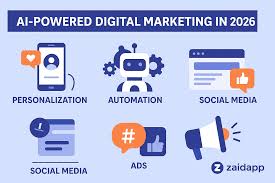
Artificial intelligence has moved from being an experimental technology to becoming a core component of digital marketing strategy. In 2025–2026, AI is expected to play an even greater role in content creation, predictive analytics, customer segmentation, chatbots, and marketing automation. AI tools help marketers analyze large volumes of data to identify patterns, predict consumer behavior, and deliver personalized experiences at scale. While AI improves efficiency and accuracy, successful marketers will focus on combining AI capabilities with human creativity and strategic thinking to maintain authenticity and emotional connection with their audiences.
2. Evolution of Search and User Intent
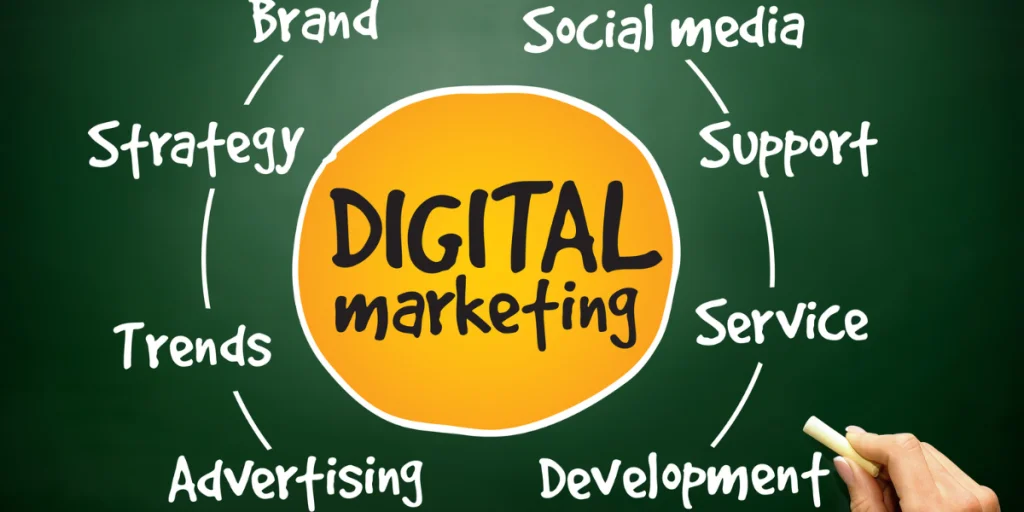
Search engines are evolving rapidly, with a strong shift toward understanding user intent rather than relying solely on keyword matching. Features such as conversational search, voice queries, and AI-generated search summaries are changing how users interact with search engines. In response, marketers must focus on creating content that addresses real user questions, provides comprehensive solutions, and demonstrates experience and expertise. The emphasis on E-E-A-T (Experience, Expertise, Authority, and Trust) highlights the importance of credibility and originality in content creation.
3. Rise of AI-Driven Search Experiences
AI-driven search experiences are transforming how information is presented and consumed. Search engines increasingly provide summarized answers, reducing reliance on multiple search results. This trend challenges marketers to create content that offers deeper insights, unique perspectives, and real-world value beyond surface-level information. Brands that focus on thought leadership, original research, and experiential content will stand out in AI-enhanced search environments.
4. Short-Form Video and Social Search Expansion
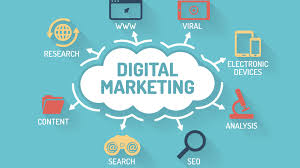
Short-form video continues to dominate digital platforms, becoming a primary source of discovery and engagement. Social platforms are evolving into search engines where users look for tutorials, reviews, and recommendations. Marketers must adapt by creating educational and engaging video content that aligns with platform-specific behaviors while maintaining brand consistency. The integration of SEO principles with video content will be crucial for maximizing visibility and engagement.
5. Privacy-First and Ethical Marketing Practices
Privacy regulations and the decline of third-party cookies are reshaping data-driven marketing. In 2025–2026, marketers will increasingly rely on first-party data, transparent data collection, and consent-based communication. Ethical marketing practices not only ensure regulatory compliance but also strengthen consumer trust. Brands that prioritize privacy and transparency will build stronger, more loyal relationships with their audiences.
6. Content Marketing Focused on Depth and Value
Content marketing is shifting from volume-based production to value-driven storytelling. Audiences and search engines reward content that offers depth, originality, and practical insights. Marketers must focus on creating high-quality resources, thought leadership articles, and educational content that addresses user needs across different stages of the buyer journey. Repurposing content across multiple formats, such as blogs, videos, and newsletters, helps extend reach while maintaining message consistency.
7. Email Marketing and Owned Media Growth
Email marketing remains one of the most reliable digital channels, especially as algorithm changes impact social media reach. In 2025–2026, newsletters and automated email campaigns will play a critical role in nurturing relationships and delivering personalized communication. Email provides an owned media channel that allows brands to engage directly with their audiences without platform dependency, supporting long-term retention and loyalty.
8. Community Building and Experience-Driven Marketing
Community building is becoming a key focus in digital marketing strategies. Brands are creating newsletters, private groups, and interactive platforms where audiences can connect, share experiences, and engage with the brand beyond transactional interactions. Experience-driven marketing emphasizes meaningful engagement, personalization, and customer-centric design, helping brands build emotional connections and long-term loyalty.
9. Integration of Marketing Channels and Data
Modern digital marketing requires the integration of multiple channels and data sources to create cohesive strategies. Marketers must align SEO, SEM, content, social media, email, and analytics to deliver consistent messaging and optimize performance.s. Data-driven insights enable marketers to make informed decisions, measure impact accurately, and continuously refine their strategies in response to changing trends.