
INTRODUCTION
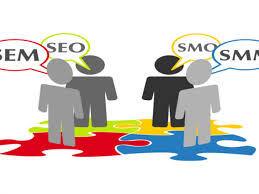
Search Engine Optimization (SEO) and Search Engine Marketing (SEM) have evolved far beyond their traditional roles of driving traffic and generating short-term visibility. In today’s competitive digital ecosystem, search marketing is a strategic growth engine that influences brand authority, customer trust, and long-term business performance. Search engines have become more intelligent, users more selective, and competition more intense, forcing marketers to focus on intent, relevance, and user experience rather than simple rankings or high ad spend. Modern SEO and SEM strategies emphasize integration, data-driven decision-making, and sustainable practices that deliver consistent results over time. Understanding how to align organic and paid search efforts is essential for businesses aiming to build lasting digital growth rather than temporary spikes in traffic.
1. SEO Focused on Search Intent and User Experience
Modern SEO is no longer about ranking for individual keywords but about understanding and fulfilling search intent. Search engines now evaluate how well content satisfies user needs, answers questions, and provides meaningful value. Marketers must analyze informational, navigational, and transactional intent to create content that aligns with each stage of the user journey. High-quality content combined with intuitive site structure, clear navigation, and engaging design enhances user experience, which directly impacts search rankings and engagement metrics.
2. Building Topical Authority Through Content Ecosystems
Search engines increasingly favor websites that demonstrate topical authority by covering subjects comprehensively. Instead of publishing isolated blog posts, modern SEO strategies focus on creating interconnected content ecosystems that explore topics in depth. Pillar pages supported by related articles improve internal linking, increase dwell time, and signal expertise to search engines. This approach not only improves organic visibility but also builds trust with users who see the brand as a reliable source of information.
4. Evolution of SEM Toward Quality and Relevance
Search engine marketing has shifted from aggressive bidding strategies to relevance-focused optimization. Modern SEM campaigns prioritize keyword intent, compelling ad copy, and high-quality landing pages rather than relying solely on budget size. Search engines reward ads that provide value and relevance to users, resulting in lower cost per click and higher conversion rates. Effective SEM strategies require continuous testing, optimization, and alignment with user expectations.
6. Integration of SEO and SEM for Maximum Impact
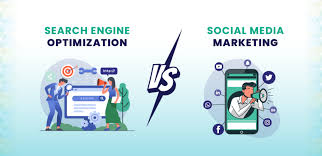
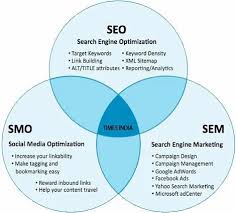
Integrating SEO and SEM strategies creates a unified search presence that enhances efficiency and performance. Insights from paid campaigns help identify high-performing keywords and messaging that can inform organic content strategies, while strong SEO pages can be reused as landing pages for paid ads to improve quality scores and reduce costs. This integrated approach ensures consistent messaging across search results and maximizes return on investment.
3. Technical SEO as a Foundation for Growth
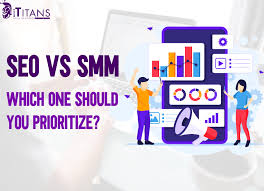
Technical SEO has become a critical component of sustainable search performance. Factors such as page speed, mobile optimization, secure browsing, structured data, and Core Web Vitals directly influence how search engines crawl and rank websites. A technically optimized website ensures faster load times, reduced bounce rates, and better accessibility, which enhances both organic rankings and user satisfaction. Technical SEO also supports paid campaigns by improving landing page performance and quality scores.
5. Data-Driven Campaign Optimization
Data plays a central role in modern SEO and SEM strategies. Tools such as Google Analytics, Search Console, and advertising platforms provide insights into user behavior, engagement, and conversion patterns. Marketers now focus on meaningful metrics such as time on page, conversion rate, and customer lifetime value instead of vanity metrics like impressions alone. Data-driven decision-making allows businesses to identify what works, refine strategies, and allocate resources more effectively.
7. Role of AI and Automation in Search Marketing
Artificial intelligence and automation are increasingly shaping SEO and SEM strategies. AI-powered tools assist with keyword research, content optimization, bid management, and performance forecasting. Automation helps marketers manage large-scale campaigns more efficiently while enabling faster testing and optimization. However, strategic oversight remains essential to ensure alignment with brand goals and user expectations.
8. Sustainable Search Marketing Practices
Sustainable growth in SEO and SEM requires ethical, long-term strategies rather than short-term manipulation. Search engines continuously update algorithms to reward quality, relevance, and user satisfaction while penalizing deceptive practices. Businesses that invest in value-driven content, technical excellence, and ethical advertising build resilience against algorithm changes and maintain consistent visibility over time.